
At TheHealthBoard, we're committed to delivering accurate, trustworthy information. Our expert-authored content is rigorously fact-checked and sourced from credible authorities. Discover how we uphold the highest standards in providing you with reliable knowledge.
Do People of Asian Descent Have Difficulty Metabolizing Alcohol?
 Mary McMahon
Mary McMahon
Mary McMahon
Some people of Asian descent have noticed that they have difficulty handling alcohol, expressed by excessive facial redness, sweating, increased body temperature, and a higher heart rate after consuming a small amount of alcohol. This syndrome is called “Asian flush” and can be deeply embarrassing, especially if it arrives unexpectedly. This causes many people to think that people of Asian descent cannot process alcohol, although this is not strictly true. The reaction can affect non-Asians as well, but the genetic mutation that causes it is much more common among people of Asian descent.
When most people consume alcohol, it is processed by two liver enzymes. The first, alcohol dehydrogenase, converts the alcohol to acetaldehyde. The second, aldehyde dehydrogenase, converts the acetaldehyde into acetic acid, which can then be broken down into carbon dioxide and water, which can be harmlessly expressed from the body. With excessive consumption, this process can take some time, as most college students have discovered, but the liver will eventually metabolize the alcohol.

Many people of Asian descent, however, have a genetic mutation that limits the formation of aldehyde dehydrogenase, resulting in a build up of acetaldehyde, which can be toxic in large quantities. The symptoms of Asian flush are indicators that the toxin has built up enough to cause the body to try to get rid of it through sweat or vomiting in extreme cases. If the problem sets in, alcohol consumption should be stopped for the evening to allow the body to metabolize what is already in the person's system.

Asian flush, like all alcohol tolerance issues, is to some extent genetic. It can also be affected by factors such as body type or whether or not food has been consumed with the meal. The condition also does not act in the same way for all people it affects. Some, for example, can drink several beers before suffering ill effects, while others can have only a small amount of alcohol before feeling ill. It is a good idea for all people to understand the limits of their body and not to exceed them.

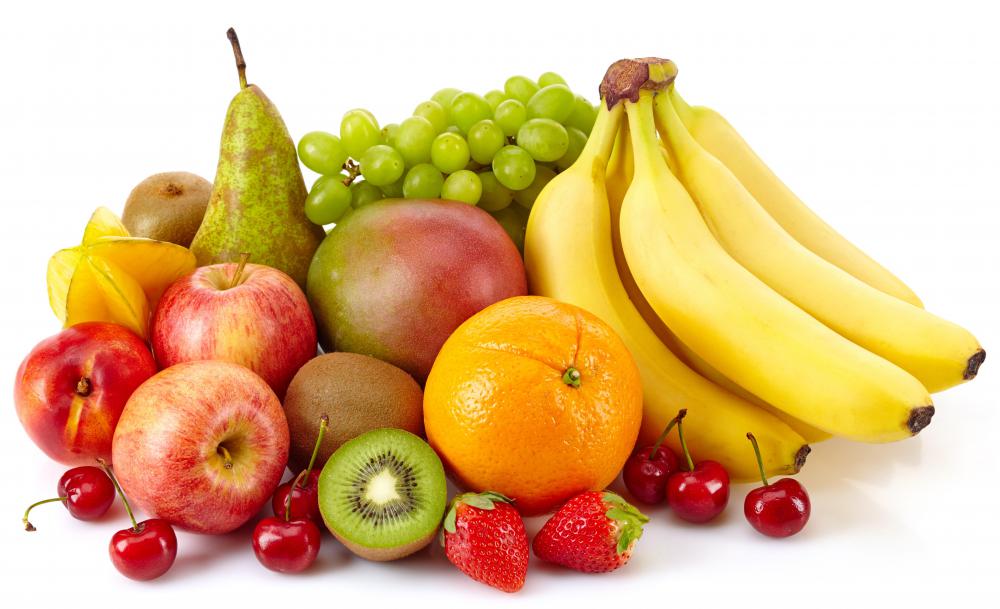
There is evidence to suggest that some measures can be taken to decrease the effects of this problem. Consumption of sugars has been linked with an increased ability to metabolize alcohol. Sufferers might want to consider ordering drinks with a high fructose content or eating sweets shortly before drinking. It is also a good idea to avoid spicy foods and warm ambient temperatures, which will lead to flushing even without alcohol.
Mary McMahon
Ever since she began contributing to the site several years ago, Mary has embraced the exciting challenge of being a TheHealthBoard researcher and writer. Mary has a liberal arts degree from Goddard College and spends her free time reading, cooking, and exploring the great outdoors.
Learn more...
Mary McMahon
Ever since she began contributing to the site several years ago, Mary has embraced the exciting challenge of being a TheHealthBoard researcher and writer. Mary has a liberal arts degree from Goddard College and spends her free time reading, cooking, and exploring the great outdoors.
Learn more...AS FEATURED ON:
AS FEATURED ON:


-
![Drinking alcohol can lead to "Asian flush," a syndrome that affects many of Asian descent.]() By: JennerDrinking alcohol can lead to "Asian flush," a syndrome that affects many of Asian descent.
By: JennerDrinking alcohol can lead to "Asian flush," a syndrome that affects many of Asian descent. -
![When most people consume alcohol, it is processed by two liver enzymes.]() By: peterjunaidyWhen most people consume alcohol, it is processed by two liver enzymes.
By: peterjunaidyWhen most people consume alcohol, it is processed by two liver enzymes. -
![Consuming drinks with fructose -- a sugar naturally found in fruit -- before drinking alcohol may help prevent flushing in a person with difficulty metabolizing alcohol.]() By: baibazConsuming drinks with fructose -- a sugar naturally found in fruit -- before drinking alcohol may help prevent flushing in a person with difficulty metabolizing alcohol.
By: baibazConsuming drinks with fructose -- a sugar naturally found in fruit -- before drinking alcohol may help prevent flushing in a person with difficulty metabolizing alcohol. -
![The liver helps the body remove toxins -- such as alcohol -- from foods and drinks.]() By: 7activestudioThe liver helps the body remove toxins -- such as alcohol -- from foods and drinks.
By: 7activestudioThe liver helps the body remove toxins -- such as alcohol -- from foods and drinks. -
![Repeated episodes of Asian flush can lead to heart complications.]() By: sudok1Repeated episodes of Asian flush can lead to heart complications.
By: sudok1Repeated episodes of Asian flush can lead to heart complications.




Discussion Comments
My whole family has Asian flush - we enjoy the odd drink and do not drink to excess. Personally, I do find it embarrassing but not much I can do for having Chinese heritage.
I've tried the AF Formula as well and it works really well. With that and a combination of Pepcid AC and I'm usually good to go. Having Asian flush is tough.
I've had the flush all my adult life. I am white, English, and have cancer of the upper esophagus (terminal).
NoGlo is the only product that has been clinically demonstrated to reduce Asian Flush and the cause behind it. I would strongly encourage you to review the information on their website. It was made by researchers at UC Berkeley and works quite well.
Alcotox is proven to neutralize 86 percent of acetaldehyde, the toxin that causes Asian Flush in In Vitro lab tests. The Alcotox Oriental product is specially formulated to significantly reduce Asian Flush and improve the health and well-being of anyone who consumes alcohol, regardless of amount consumed.
As a Chinese person, I'm also alcohol intolerant. The first three times or so I drank, I would become very red in the face and being to feel nauseous like I was going to vomit.
After those few times, my body began to recognize alcohol as a toxin and started to full on reject it. Just a whiff would give me a headache, a sip- extreme nausea. It's as if it no longer wanted to stay down.
As a result, I don't see myself becoming an alcoholic anytime soon. I'm very happy my body has natural defenses toward alcohol. I will never do the stupid things that drunk people end up doing, I don't have to worry about pissing my life away in drink, and I can stay physically healthier than people that consume large amounts of wine or booze recreationally. It's completely possible to have fun without alcohol and I'm glad there's no way I'll able to be pressured into drinking.
I am Black, I think. (Maybe I need to ask my daddy to make sure my parents are who they say they are). I have alcohol intolerance that causes a major stuffy nose, difficulty breathing and headaches and I have been diagnosed with an ALDH deficiency. I've been told that zinc will help.
I'm oriental and I get it really bad. After consuming not even a glass of alcohol, my vomiting kicks in. My limit is a couple of sips, but I can just about have a glass of cocktail e.g pina colada which does not even have that much alcohol in it. Didn't realize it was called an 'asian flush'.
Anyway, I'm glad my body can't take alcohol; it saves me so much money! I know I can have fun without it.
Another great factor: I also know that I will never become an alcoholic. Also, my body is healthier because of it!
So if you are affected by asian flush, think of all the positive outcomes of not drinking alcohol! Not to mention, you'll never get a drink and drive ban or risk killing someone on the road from it.
The girls in my immediate family have the flush syndrome and we have it bad.
One ounce of hard liquor and a headache starts, with the typical flushing and rapid heart rate. More than that and we are rolling on the ground vomiting with a migraine. Drunkenness is nothing I have felt before. Only pain!
What's sad is that in our social culture in North America, people will witness this reaction and hear our plea of "I'm alcohol intolerant," and they respond by telling us to drink more. Maybe people need to ease up a little?
Get informed about the situation. When I was younger, it used to bother me so much. Now I've met people who can understand my dilemma and appreciate that I can still go to the bar with them sober.
So if you're reading this and are in torment over your inability to do as the North American youth do, relax! You're who you are. At least you can be a designated driver and make sure everyone gets home safe. And you can remember all their embarrassing stories and rub it in their faces later!
@anamur-- I don't know all the details but it apparently works by preventing the accumulation of acetaldehyde in the body.
I used an Asian flush syndrome supplement briefly. It did help reduce flushing but it didn't do much for other symptoms that I get from alcohol like migraines and nausea. I think it works best when you only have one or two drinks. If I have more than three drinks while on the supplement, I still flush as usual.
The best remedy for this syndrome is avoiding alcohol completely. I know many of us with Asian descent don't want to do that. But it is obvious that we're not wired for consuming alcohol. Our body just can't tolerate it.
Someone recommended a similar supplement to me the other day to prevent Asian flush. How does it work exactly?
Is it safe?
Of course, my condition gets worse the higher the alcohol content in drinks. Hard liquor affects me very badly. I do slightly better with cocktails and beer.
Are any non-Asians familiar with this? I do not have any Asian blood, as far as I know, but get this after drinking the only alcohol I can tolerate at all -- sake -- and only half a sake "glass" will have me bright red and tipsy. Very frustrating. I'll try the Pepcid AC so I can enjoy a drink with friends!
Actually, there's now a natural supplement you can take called AF Formula (by Goldwin Health). Me and three friends have been using it and it has stopped our flushing/blushing.
Famotidine (pepcid AC) is in a group of drugs called histamine-2 blockers. The redness that is seen with the flush is from histamine, the same type of redness seen after an insect bite or other itchy rashes and in this case the alcohol flushing syndrome. Pepcid blocks this and won't make you sleepy like benadryl would.
I don't know how it works, but taking Pepcid AC prior to or with alcohol greatly reduces "Asian flush".
Post your comments